

Italy property guides
Here at Italy Property Guides, our expert advice will help you to navigate the essential stages of buying a property in Italy.
From tricky financial and legal matters to browsing for your dream property for sale in Italy, you’ll find all the assistance you need here. You can also find great tips about living in Italy, so you’ll be able to settle in smoothly.
Get free expert guidance from our team
Our Italy property guides have been compiled by our team of experts, who have many years’ experience helping people relocate to the country. You can have complete confidence that their advice is the most reliable around.
You’ll also find help from our network of trusted specialists, including estate agents, solicitors, and financial advisors, so you can get accurate and up-to-date guidance at key stages of your property purchase. We’ve also compiled advice from many expats that have made the move to Italy, who can provide insights from their own experiences.
Want to speak to someone directly about your relocation? We have Italy property experts in our UK Resource Centre to answer any questions you may have. Call them on 020 7898 0549 from Monday to Friday, 8:30am–6:00pm.

We partner with some of the most trusted names in the industry



Download your free Italy property guide
Our online guide to buying property in Italy is full of essential information, but you can also download a PDF booklet to view offline or print. Enter your details to the right to get your free Italy property guide.
Download your free guide to buying in Italy
Explore our range of free Italy property guides






Make your dream move — download our free expert guides

Healthcare Abroad – Taking care of your health doesn't stop when moving to Italy. Get this one stop shop for expatriate healthcare.
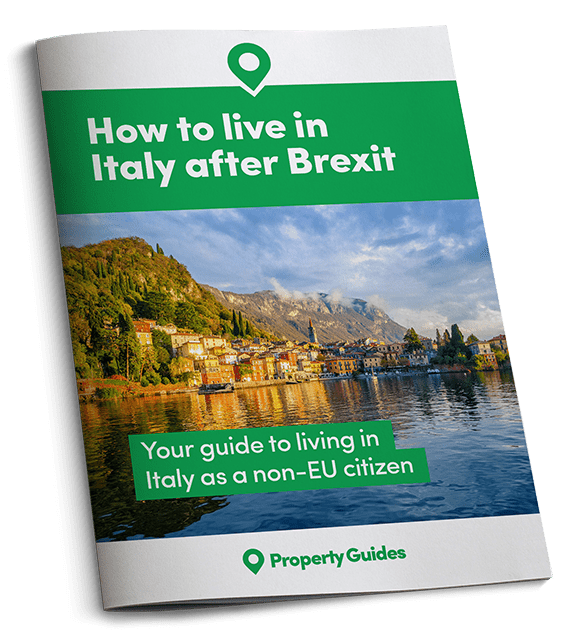
After Brexit Guide – To help you plot your way through a possible post-Brexit scenario, to ensure you can fulfil that dream of an Italian lifestyle.

Your Negotiation Guide – A handy guide to everything you need to know about negotiating for a property in Italy.
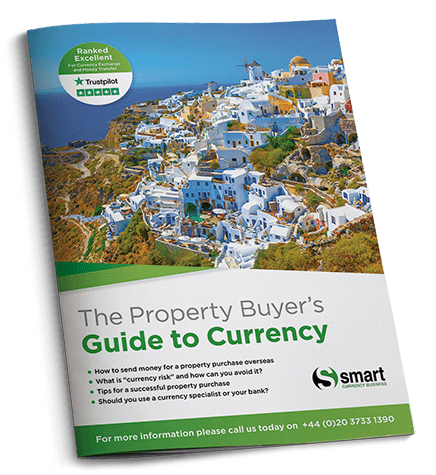
A Property Buyer's Guide to Currency – A currency specialist’s ‘insider’s guide’ to a successful property purchase, written by the experts.
Speak to the property experts
Our Resource Centre team are on hand to offer advice and guidance for every aspect of your journey towards successfully buying property in Italy.
No matter your experience, buying property is a challenging process. We’re here to help you avoid the usual pitfalls affecting those wanting to buy property overseas.
Our team have helped many people just like you, and are able to assist you every step of the way.
To chat to the Resource Centre about buying property abroad, contact the team on 020 7898 0549 from Monday to Friday, 8:30am – 6:00pm